Arduino Tutorial #3 - Shift Registers (74HC595)
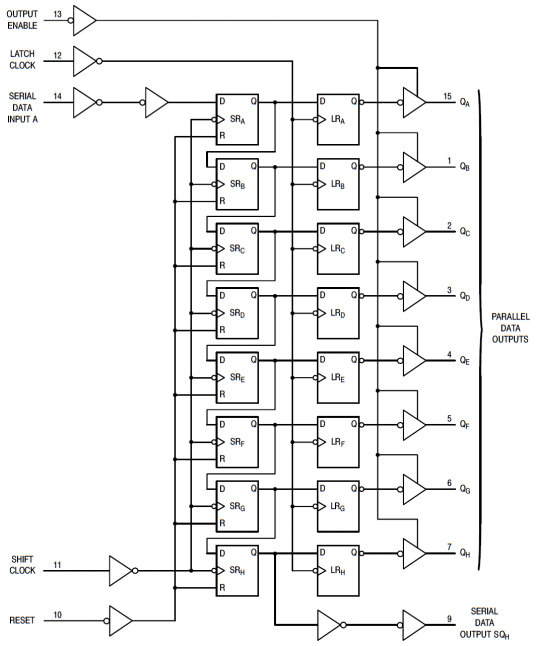
The 74HC595N contains an 8-bit, serial-in, parallel-out shift register that feeds an 8-bit D-type latch with parallel 3-state outputs.

The 74HC595N contains an 8-bit, serial-in, parallel-out shift register that feeds an 8-bit D-type latch with parallel 3-state outputs.
525
Aug 24, 2021
Rebecca Blake
Arduino Tutorial #3 - Shift Registers (74HC595)
The 74HC595N contains an 8-bit, serial-in, parallel-out shift register that feeds an 8-bit D-type latch with parallel 3-state outputs.
74HC595N
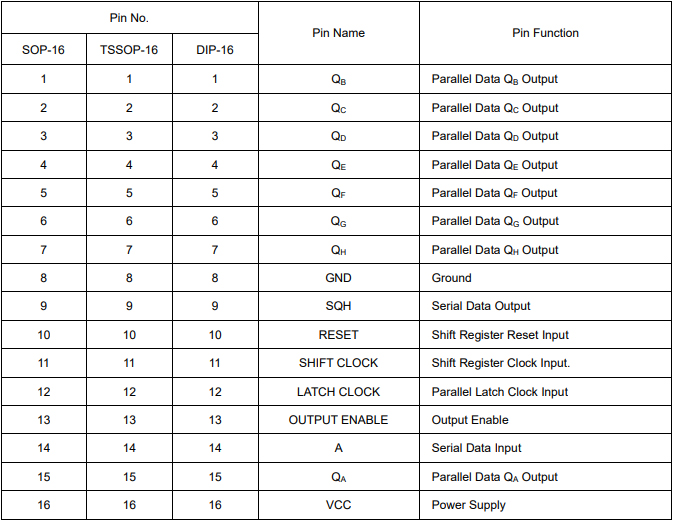
The 74HC595N contains an 8-bit, serial-in, parallel-out shift register that feeds an 8-bit D-type latch with parallel 3-state outputs. Separate clocks are provided for both the shift register and latch. The shift register has a direct overriding clear input, serial input, and serial outputs for cascading. The 74HC595N also has an asynchronous reset for the shift register.

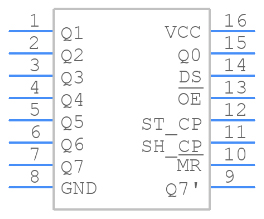
Symbol
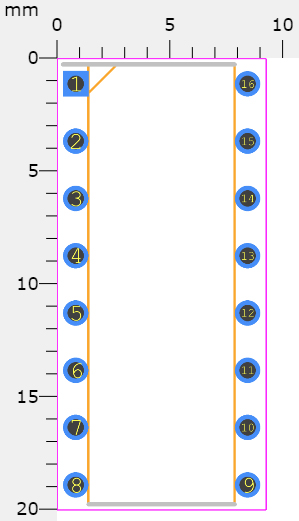
Footprint
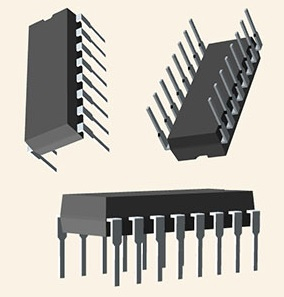
3D Model
Wide Operating Voltage Range of 2 V to 6 V
8-Bit Serial-Input, Serial or Parallel-Out Shift
Outputs Directly Interface to CMOS, NMOS, and TTL
Low Input Current: 1 µA
High Noise Immunity Characteristic of CMOS Devices
HTC Korea TAEJIN Tech 74HC595N technical specifications, attributes, parameters and parts with similar specifications to HTC Korea TAEJIN Tech 74HC595N.
HTC Korea TAEJIN Tech 74HC595N technical specifications, attributes, parameters and parts with similar specifications to HTC Korea TAEJIN Tech 74HC595N.
| Product Attribute | Attribute Value | |
|---|---|---|
| Package / Case | DIP-16 |
| Product Attribute | Attribute Value | |
|---|---|---|
| Packaging | Tube-packed |
| Product Attribute | Attribute Value | |
|---|---|---|
| RoHS Status | RoHS Compliant |

Network Switches
Power Infrastructure
LED Displays
Servers
Serial-to-Parallel Data Conversion
Remote Control Holding Register
TAEJIN Technology Co., Ltd was incorporated in 2000 with aim of becoming the world leader in the Power Management IC industry. The brand name "HTC Korea" was created by TAEJIN Technology to meet customer's goals by using highly diversified R&D technology. HTC Korea is well-known for its high-quality products in the Asian market and targets three major sectors: Communication, Consumer, and Computer. HTC Korea has been promoting its products in cooperation with worldwide sales partners in China, Japan, Hong Kong, Singapore, Taiwan, and India.
TAGS
Comments