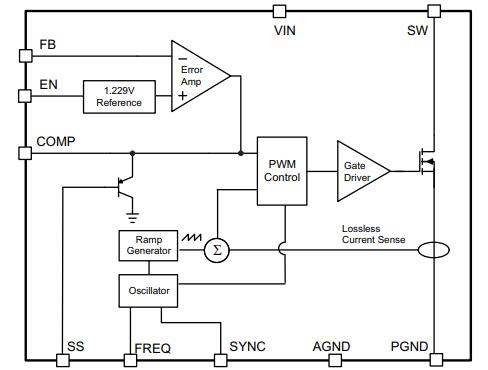
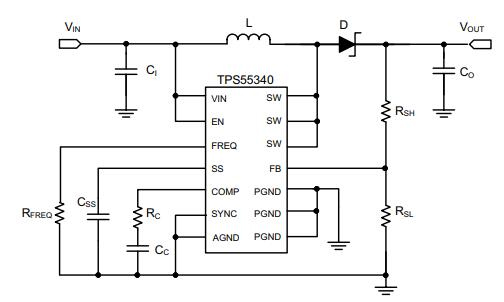
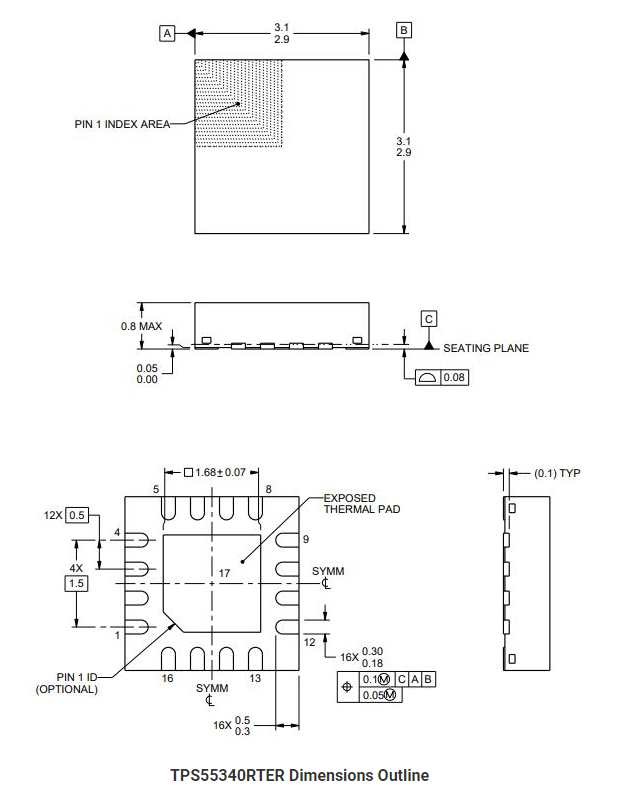
DC-DC converters come in non-isolated and isolated varieties. Isolation is determined by whether or not the input ground is connected to the output ground.
The buck, boost, buck-boost, and SEPIC converters are four popular topologies that designers may find useful.
1 Buck Converter
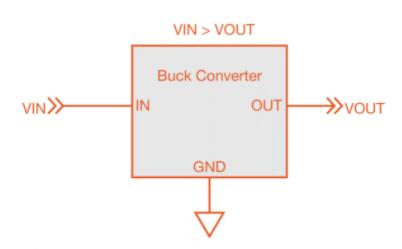
A buck converter reduces the voltage, resulting in a voltage that is lower than the input voltage. From a 5 V USB supply, a buck converter might be used to charge a lithium-ion battery to 4.2 V.
2 Boost Converters
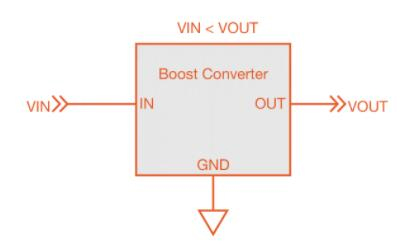
A boost converter increases the voltage by a factor of two, resulting in a voltage that is higher than the input voltage. A boost converter could be used to power a string of LED s or generate a 5 V USB output from a lithium battery.
3 Buck-Boost Converters
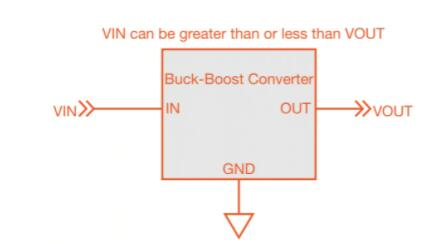
A buck-boost converter steps a voltage up or down, resulting in a voltage that is equal to, higher than, or lower than the input voltage. To get a 12 V output from a 12 V battery, a buck-boost could be employed. The voltage of a 12V battery can range from 10 to 14.7 volts. A single cell might also be used to power an LED with a buck-boost, The forward voltage loss of an LED can be as high as 3 volts. The voltage of a lithium battery cell can range from 2.5 to 4.2 volts. Positive and negative voltages are produced by buck-boosts.
4 SEPIC Converters
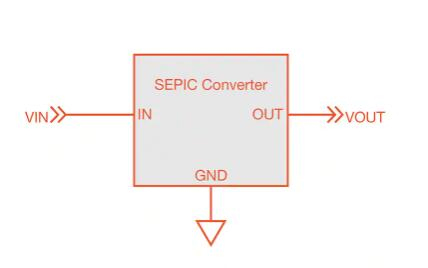
A SEPIC converter can also step a voltage up or down, resulting in a voltage that is equal to, higher than, or lower than the input voltage. A SEPIC is similar to a buck-boost in that it is used for similar applications, but it has some advantages in particular cases.