
Introduction
What is Energy conversion
Energy conservation refers to the principle that energy in a fixed closed environment cannot be created out of nothing or disappear into nothingness, and energy conversion refers to the transformation from one form to another or from one object to another. Energy appears in various forms, including radiation, object motion, excited atoms, internal molecular forces, and intermolecular forces. The significance of all these forms lies in their equal energy, meaning that energy in one form can be transformed into another form. Energy conversion is widely used in daily life, such as wind energy being converted into mechanical energy through windmills, water energy being converted into mechanical energy through water wheels or hydraulic machinery, chemical energy being converted into electrical energy through fuel cells, and so on.
Examples of Energy conversion
1. Solar Panels: Solar panels convert sunlight (light energy) into electricity (electrical energy).
2. Gasoline Engine: A gasoline engine converts the chemical energy stored in gasoline into mechanical energy to power a vehicle.
3. Wind Turbines: Wind turbines convert the kinetic energy of wind into mechanical energy, which is then converted into electrical energy.
4. Batteries: Batteries convert chemical energy into electrical energy to power electronic devices.
5. Hydroelectric Power Plant: A hydroelectric power plant converts the potential energy of water stored in a dam into mechanical energy (rotational motion of turbines), which is then converted into electrical energy.
6. Human Body: The human body converts the chemical energy from food into mechanical energy for movement and other bodily functions.
7. Nuclear Power Plant: A nuclear power plant converts nuclear energy released from nuclear reactions into heat energy, which is then converted into electrical energy.
The differences between Energy conversion and Energy Transfer
The main difference between Energy conversion and Energy Transfer lies in whether there is a change in the form of energy. Energy conversion refers to the process of changing energy from one form to another, where one type of energy is converted into another type, such as chemical energy transforming into electrical energy. In this process, the forms of energy before and after are different, which is called transformation. On the other hand, energy transfer involves the movement of the same type of energy between different objects or different parts of the same object, without changing the form of energy. For example, heat transfer from one end of a metal rod to the other end is a process of energy transfer. In summary, energy transfer involves no change in the form of energy, while energy transformation involves a change in the form of energy.
Common Formulas for Energy conversion
1. Mechanical Energy Conversion Loss
In the process of mechanical energy conversion, common forms of energy include kinetic energy and potential energy. When mechanical energy is converted, energy losses such as friction and air resistance occur. According to the law of energy conservation, the energy loss during mechanical energy conversion can be calculated using the following formula:
Loss of Energy = Initial Mechanical Energy - Final Mechanical Energy
2. Thermal Energy Conversion Loss
During thermal energy conversion, heat transfer losses and thermal radiation losses occur. Heat transfer losses can be calculated using the heat transfer coefficient and temperature difference, while thermal radiation losses can be calculated using the radiation coefficient and temperature difference. The total energy loss during thermal energy conversion can be calculated using the following formula:
Loss of Energy = Heat Transfer Loss Thermal Radiation Loss
3. Chemical Energy Conversion Loss
The energy loss during a chemical reaction can be calculated using the heat of combustion and heat release. The heat of combustion refers to the energy released when a unit mass of fuel is completely burned, and heat release refers to the energy released per unit mass of substance. The total energy loss during chemical energy conversion can be calculated using the following formula:
Loss of Energy = Heat of Combustion Heat Release
The basic principle of energy conversion
The basic principle of energy conversion follows the laws of energy conservation and transformation, which state that in nature, energy can exist in different forms and can be converted from one form to another. These conversions include the conversion between matter and energy, as well as the transfer of energy from one object to another. Energy conversion is ubiquitous, not only in physical and chemical changes but also in biological systems. For example, cells act as efficient energy converters, capable of converting chemical energy, electromagnetic energy, mechanical energy, and osmotic energy. In the biological realm, a typical example of energy conversion is plants converting light energy into chemical energy through photosynthesis, storing it in sugars, which humans then obtain by consuming and releasing energy through biochemical reactions to sustain physiological activities.
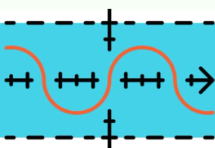
The first law of thermodynamics describes the principle of energy conservation, stating that in any physical or chemical change, the total energy in the universe remains constant, even though the forms of energy may change. This law applies to all systems in the universe, including biological systems. Organisms undergo energy conversion through a series of chemical reactions, with almost all organisms directly or indirectly deriving energy from solar radiation. Photosynthesis is a typical energy conversion process that uses solar energy to synthesize glucose from water and carbon dioxide, releasing oxygen into the atmosphere. Non-photosynthetic cells and organisms then obtain the necessary energy from the energy-rich products generated by oxidative photosynthesis.
Applications of Energy Conversion in Practice
1. Energy-Efficient Lighting: Utilizing high-efficiency lighting fixtures, LED lights, etc., to reduce lighting losses.
2. Energy-Efficient Air Conditioning: Implementing variable frequency technology, heat recovery technology, etc., to improve the energy efficiency of air conditioning systems.
3. Energy-Efficient Transportation: Using new energy vehicles, intelligent transportation systems, etc., to reduce transportation losses.
4. Energy-Efficient Buildings: Incorporating insulation materials, natural ventilation, daylighting techniques, etc., to reduce building energy consumption.
Related contents:
1 Integration of Renewable Energy Sources in Modern Power Systems