
I. What a purge solenoid valve is
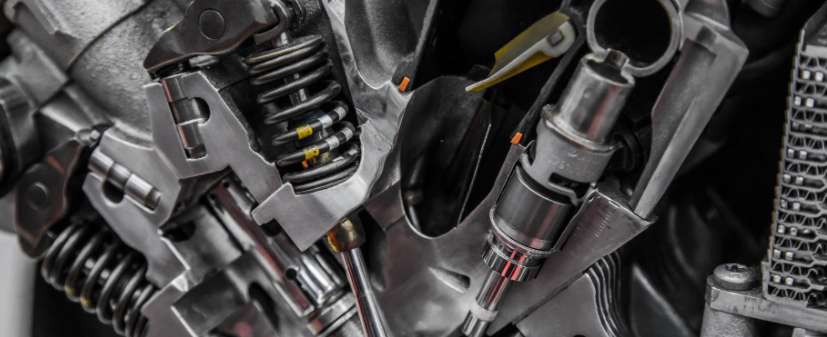
A purge solenoid valve is a crucial part of the vehicle's evaporative emission control (EVAP) system. This system captures and temporarily stores fuel vapors from the fuel tank before sending them to the engine to be burned off during the combustion process.
The purge solenoid valve controls this flow of fuel vapors from the EVAP system to the engine. It remains closed when the engine is off or when the vehicle is at idle to prevent these vapors from entering the engine. When the engine is running and reaches a certain temperature or load, the vehicle's computer will signal the purge valve to open. This allows the stored fuel vapors to be drawn into the engine and burned off.
By managing the release of these vapors, the purge solenoid valve helps to reduce the amount of harmful pollutants that a vehicle releases into the atmosphere, thereby playing a significant role in reducing vehicle emissions. It also helps in improving the vehicle's fuel efficiency.
A faulty purge solenoid valve can cause issues like a rough idle, difficulty starting the engine, or a decrease in fuel efficiency, and may trigger the check engine light.
II. What are the symptoms of a bad purge valve solenoid

The symptoms of a bad purge valve solenoid can vary, but here are some common signs that may indicate a problem:
- Check Engine Light: This is often the first sign of a bad purge valve solenoid. If the computer in the vehicle detects an issue with the purge valve solenoid or its circuit, it will trigger the Check Engine Light to alert the driver.
- Poor Fuel Economy: If the purge valve solenoid is stuck open, it can cause excess fuel vapors to enter the engine during non-purge conditions, which can result in a rich fuel mixture and reduced fuel economy.
- Rough Idle: If the purge valve solenoid is stuck open or closed, it can disrupt the fuel mixture entering the engine, causing the engine to run unevenly at idle.
- Difficulty Starting the Engine: If the purge valve solenoid is stuck closed, it can prevent fuel vapors from being purged, which can cause the engine to be hard to start.
- Emissions Test Failure: Since the purge valve solenoid is part of the vehicle's emissions system, a malfunction can cause the vehicle to fail an emissions test.
- Performance Issues: In more severe cases, a faulty purge valve solenoid can even lead to performance issues, such as power loss or acceleration problems.
Please note that these symptoms can also be caused by other issues in the vehicle. Therefore, it's important to have the vehicle properly diagnosed by a professional if you notice any of these signs.
III. Where is the purge valve solenoid located
The purge valve solenoid's location can vary depending on the make and model of the vehicle. However, it is typically located in the engine compartment. Here are some general steps to help you locate it:
- Open the hood of your car.
- Look for the engine's intake manifold. This is usually on top of the engine and is where air and fuel mix before being injected into the cylinders.
- Locate the charcoal canister. The purge valve solenoid is often connected to this canister. The canister itself is a black box that can vary in size. It is typically located near the fuel tank or the rear of the vehicle, but in some models, it might be near the engine.
- Trace the vacuum lines or hoses connected to the charcoal canister. The purge valve solenoid should be along these lines.
- The purge valve solenoid itself is usually a small, metal or plastic device. It typically has an electrical connector and one or two hoses attached to it.
If you have trouble locating the purge valve solenoid, refer to your vehicle's owner manual or consult with a professional mechanic.
IV. How to clean purge solenoid valve
- Gather Necessary Materials: You'll need a wrench or socket set, a can of throttle body cleaner or electronic cleaner, a clean cloth, and a small brush.
- Locate the Purge Solenoid Valve: Open the hood of your car and locate the purge solenoid valve. The location can vary depending on the make and model of your vehicle. It is typically found in the engine compartment.
- Safety Precautions: Before you start, make sure the engine is off and cool. Disconnect the car's battery to avoid any accidental shorts.
- Remove the Purge Solenoid Valve: Use your wrench to disconnect the purge solenoid valve. There will be an electrical connection and a few hoses attached to it. Be sure to remember where each hose connects for reinstallation.
- Clean the Valve: Spray the valve with throttle body cleaner or electronic cleaner. Use your small brush to clean off any debris or buildup. Be careful not to damage any parts of the valve while cleaning.
- Allow it to Dry: After cleaning, let the valve dry completely. It's important that no cleaner remains when you reinstall the valve.
- Reinstall the Purge Solenoid Valve: Once the valve is dry, reconnect it to the hoses and electrical connection. Use your wrench to secure it in place.
- Reconnect the Battery: Once everything is securely reinstalled, reconnect the car's battery.
- Test the Car: Start the car to ensure everything is running smoothly. If the check engine light turns off, or the car's performance improves, the cleaning was successful.
Remember, while this can be a DIY job, do not hesitate to seek professional help if you're uncomfortable doing this by yourself. It's also important to note that if the valve is damaged or too dirty, it may need to be replaced instead of cleaned.
V. Signs that indicate the valve may need to be replaced rather than cleaned.
- Check Engine Light Stays On: If the check engine light stays on even after cleaning the purge valve solenoid, this could be a sign that the valve is faulty and needs to be replaced.
- Persistent Performance Issues: If you're still experiencing issues like rough idling, difficulty starting the engine, or decreased fuel economy after cleaning the valve, replacement might be necessary.
- Failed Emissions Test: The purge valve solenoid is a crucial part of your vehicle's emissions system. If your vehicle fails an emissions test and the purge valve solenoid is suspected to be the cause, it may need to be replaced.
- Physical Damage: If the purge valve solenoid is physically damaged or excessively dirty, cleaning might not be enough to restore its function. Visible signs of damage such as cracks, breakage, or severe wear are clear indicators for replacement.
- Frequent Need for Cleaning: If the purge valve solenoid requires cleaning frequently to function properly, this could be a sign that the valve is failing and needs replacement.
Remember, it's always best to consult with a professional mechanic if you're experiencing any of these issues. They can properly diagnose the problem and recommend the best course of action.
VI. Importance of regular cleaning purge solenoid valve
- Optimal Vehicle Performance: A clean and properly functioning purge solenoid valve ensures optimal vehicle performance. It prevents issues like rough idling, difficulty starting the engine, or decreased fuel economy.
- Emissions Control: The purge solenoid valve plays a crucial role in controlling the vehicle's emissions. Regular cleaning ensures that it functions correctly, thus reducing the vehicle's environmental impact.
- Maintenance of Fuel System: The purge solenoid valve is part of your vehicle's fuel system. Keeping it clean can help maintain the overall health of the fuel system and prevent costly repairs in the future.
- Avoiding Engine Light Trigger: A faulty purge solenoid valve can trigger the check engine light. Regular cleaning can prevent this from happening and save you from a potential panic.
- Fuel Efficiency: A properly functioning purge solenoid valve contributes to better fuel efficiency. It allows fuel vapors to be reused by the engine, rather than being released into the atmosphere.
- Longevity of the Valve: Regular cleaning can prolong the life of the purge solenoid valve, delaying the need for replacement and saving costs in the long run.
Remember, while regular cleaning is beneficial, it's equally important to replace the valve when necessary. If cleaning doesn't resolve the issues you're experiencing, it might be time for a replacement.