
Multi-port DC to DC converter
A multi-port DC to DC converter is a device that converts DC power from one voltage to another. It can be used to increase or decrease the voltage of a DC signal. Multi-port DC to DC converters are used in a variety of applications, including electronic equipment, battery chargers, and solar panels.

Figure1. Multi-port DC to DC converters
Benefits of using a multi-port DC to DC converter
The benefits of a multi-port DC to DC converter are many and varied. For one, they offer a more efficient means of powering multiple devices from a single power source. Additionally, they can be used to create a custom power solution for specific applications, and can be daisy-chained to create an even more powerful system.
Multi-port DC to DC converters also offer a higher degree of flexibility when it comes to voltage and current output. This makes them ideal for powering devices that require different voltages or currents, such as laptops, smartphones, and other electronic devices. Additionally, multi-port converters can be used to create a backup power system for critical applications.
High Demand
As electronic devices continue to shrink in size, there is an increasing demand for DC to DC converters that can provide multiple regulated outputs. Multi-port DC to DC converters are ideal for applications where space is limited, such as in portable electronics and handheld devices. They offer the advantage of high efficiency and low power consumption, making them ideal for use in battery-operated devices. Multi-port DC to DC converters are also available with a wide range of input and output voltages, making them suitable for a variety of applications.
How do they work?
Multi-port DC to DC converters are devices that convert direct current (DC) from one voltage level to another. They are used in a variety of applications, including powering electronic devices, charging batteries, and providing power for motors.
Multi-port DC to DC converters typically have two or more ports, each of which can be configured to output a different voltage. The converter can be set to match the voltages required by the devices it is powering. For example, if you were powering a device that required 5 volts and another device that required 12 volts, you would configure the converter to output 5 volts on one port and 12 volts on the other port.
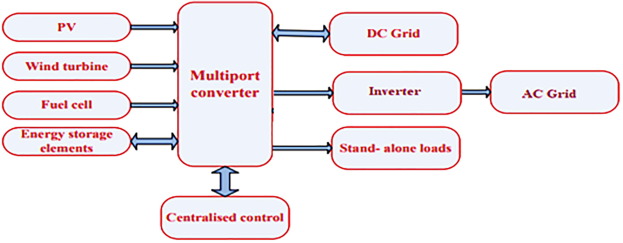
Figure2. How do they work?
Advantage
The advantage of using a multi-port DC to DC converter is that it eliminates the need for multiple single-purpose converters. Multi-port converters are also more efficient than single-purpose converters, since they do not waste energy converting unused voltages.
Less Expensive
Multi-port DC to DC converters can vary in price depending on the features and specifications that they offer. However, in general, they are not overly expensive devices. This makes them a great option for those who are looking for an efficient and effective way to power their devices.
Conclusion
Multi-port DC to DC converters offer a flexible and efficient solution for powering multiple devices simultaneously. With their growing popularity in the consumer electronics industry, demand is expected to remain strong in the coming years. Whether you are looking for a multiport converter or associated components, there are plenty of options available on the market today that can help meet your needs.
Multi-port DC to DC converters are in high demand as they offer a versatile way of connecting electrical components. They provide an efficient and cost effective way to manage power, while also being able to handle a variety of voltages. As the need for multi-function machines continues to grow, so will the demand for these specialized devices. We are sure that multi-port DC to DC converters will be at the forefront of power management solutions going forward.