
Zero emissions is a target many nations are willing to reach by 2050 and investments have been allocated for energy storage companies to reach this goal. During APEC, Peter Wasmuth, co-founder and head of Europe, Polarium, highlighted several trends in energy storage.
APEC, Peter Wasmuth, co-founder and head of Europe, Polarium, highlighted several trends in energy storage.
Solar, wind, and other renewable energy sources are set to grow dramatically in the coming years, with governments now aiming for ‘net zero’ emissions. As distributed generation becomes more widespread, the grid will need to be increasingly flexible. Storage systems can be the key tools to ensure this, as they allow production to be adjusted to the needs of the grid, avoiding disruptions (such as unstable voltage levels or frequency) due to excess load or generation: this also makes it possible to manage a larger or smaller portion of the grid in a more flexible and efficient way.
Climate Change and Green Energies
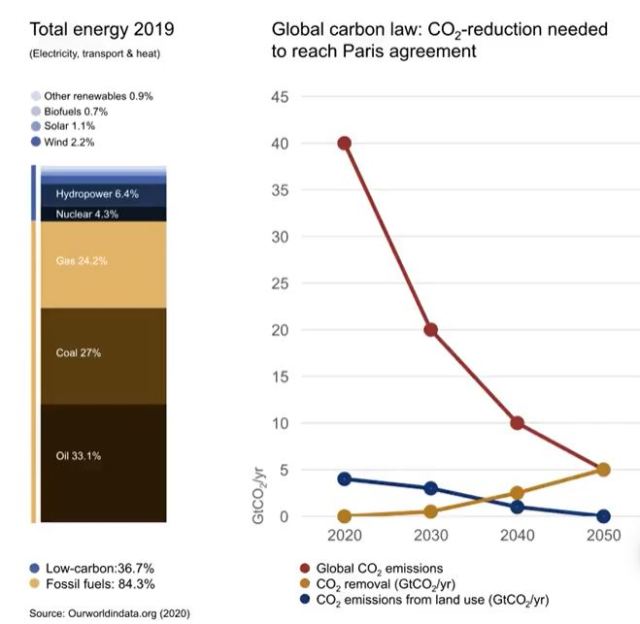
Climate Change is the most pressing issue of our time. Individuals, businesses and policy makers are gathering forces to tackle the issue. Everyone aims to reduce the onslaught of greenhouse gases and thus comply with climate change. “CO2 emissions must be halved every decade from 2020 to 2050 to avoid disaster,” said Wasmuth. One way to decarbonize energy is through incentives for renewables, which has led to a massive growth in renewables. “The decarbonization of the energy mix has been underway for a long time. But it will pick up speed dramatically in the 2020s,” said Wasmuth.
Wasmuth pointed out that renewables represent a significant change in the energy system since nuclear power. He described Mckinsey’s estimate for renewables to become cheaper than existing fossil fuel power plants within the next decade, with an increase in capacity over the next 10 years.
Another increasingly popular policy measure that will have a big implication on the energy sector is carbon pricing to reduce CO2 emissions. About 20 years ago, coal was almost free of charge. Now there is a 4-fold increase since 2016. “The price of emitting carbon is on the rise and will likely continue to rise as politicians of all stripes are introducing green regulations,” said Wasmuth.
Other interesting trends are blackouts and brownouts. They are increasingly common not only in developing countries but also in markets that are used to having stable grids. And this is due to extreme weather, increased intermittency in the energy supply, growth in energy demand, long term under investment in energy grid infrastructure.
Climate change is driving the search for renewable energy, which is driving up the cost of carbon. But energy storage is the missing link in the renewable energy system. The challenge with renewable energy is reliability with the two main sources, wind and solar, being intermittent.

Energy Storage
A decarbonized energy system cannot rely on just one technology but on a range. There are a variety of different technologies to store energy. Hydro is the dominant current solution, followed by lithium-ion batteries and other compressed air solutions. Geothermal energy storage is still under development but has great potential. Lithium-ion technology is the dominant solution in chemical-electric technologies.
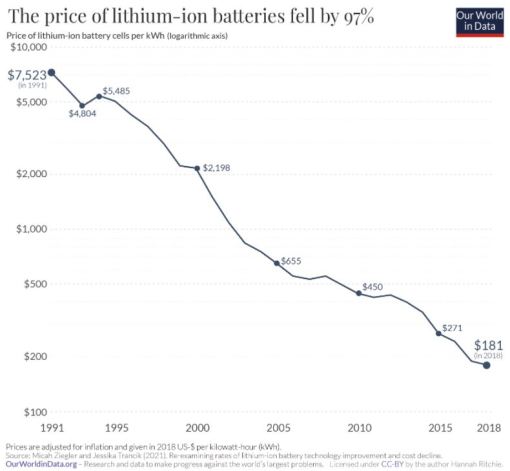
According to a forecast by the World Economic Forum, the global demand for lithium-ion energy storage will reach 221 gigawatt-hours in 2030. Two factors drive the growth. One is, of course, the increase in intermittent renewable energy. The other factor is a dramatic drop in the price of lithium-ion batteries.
Today, the main driver or value proposition for investing in new storage is renewable energy storing. “Turning renewable energy into a monetized asset. Through peak shaving, the smart lithium battery can charge when electricity rates are at their lowest and discharge during the most expensive hours of the day to avoid paying peak prices. The decentralized energy system of the future creates opportunities for companies to use energy storage combined with renewable energy. Not only to provide their own power but also to sell excess energy back to the grid through what is called a virtual power plant,” Wasmuth said.
A virtual power plant is a cloud-based distributed energy solution that aggregates the capabilities of distributed energy resources, such as wind and solar power, for power generation. Virtual power plants aim to aggregate disparate facilities into a single control system, enabling intelligent energy production, storage and demand.
“Japan’s NTT bets on battery storage and the green transformation. It is investing more than 1 trillion yen ($9.3 billion) in renewable energy and storage by 2030. Its goal is to provide more than 10% of the nation’s renewable-energy capacity by 2030,” said Wasmuth.
In the future, a group of power plants could also consist of fleets of electric vehicles. The decentralized and decarbonized distributed energy system of the future will provide new opportunities for the energy ecosystem.