
What is Current Divider
Current divider usually refers to the circuit configuration that realizes current shunt in a parallel circuit. In circuit design, current dividers are often used to proportionally distribute input currents among multiple parallel branches. Therefore, the current divider is a specific type of parallel circuit used for the purpose of current distribution.
Current Dividers Explained!
Current Divider Formula and Principle
The power supply voltage is U, the resistance value of resistor 1 is R1, and the resistance value of resistor 2 is R2.
Total current I=U/(R1 R2), partial voltage U1=IR1=UR1/(R1 R2) on resistance 1, and partial voltage U2=IR2=UR2/(R1 R2) on resistance 2.
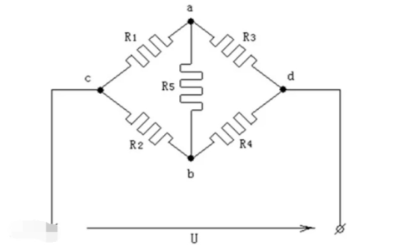
Principle of parallel current division:
In a parallel circuit, the voltages at both ends of each resistor are equal, and the sum of the currents on each resistor is equal to the total current (trunk current). It is known that the current on each resistor is less than the total current (trunk current), so the parallel resistor shunt.
Partial pressure principle R1:R2=U1: U2.
Shunt principle R1:R2= I 2:I 1.
Voltage division principle in series circuit: U1: U2=R1: R2.
Shunt principle in parallel circuit: I1: I2=R2: R1.
How can the Current Divider Calculator help optimize circuit design
Efficient Current Distribution: By accurately calculating the current distribution in parallel branches, the calculator ensures that each component receives the intended current, optimizing circuit performance.
Component Sizing: It aids in selecting appropriate resistor values for current division, helping to size components correctly for efficient operation.
Voltage and Power Management: Proper current division ensures balanced loading of components, leading to effective voltage and power management in the circuit.
Troubleshooting: It can assist in troubleshooting circuits by identifying potential issues related to current distribution and aiding in making necessary adjustments.
Design Validation: The calculator provides quick and reliable calculations, allowing designers to validate their circuit designs and ensure they meet the desired specifications.
ALSO SEE:
Capacitor Safety Discharge Calculator